FEATURED PACKAGES
Destinations: Manyara, Serengeti, and Ngorongoro Crater
Destinations: Arusha, Tarangire, Manyara, Serengeti, and Ngorongoro Crater
Destinations: Amboseli National Park, Lake Nakuru, and Masai Mara
Destinations: Masai Mara, Serengeti, Ngorongoro Crater, and Manyara
Hassle-Free Visa Support for Your Journey
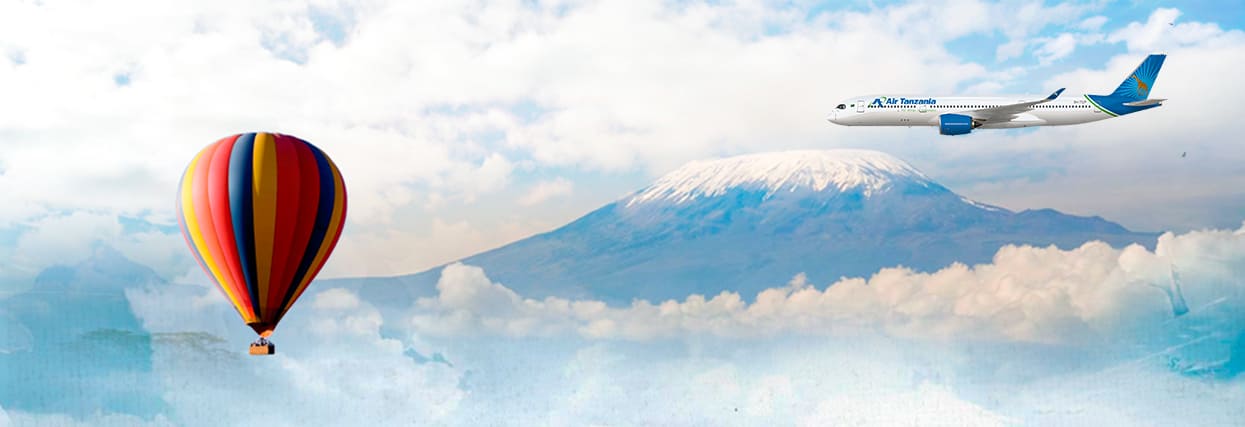
Trekking Mount Kilimanjaro is a once-in-a-lifetime experience and one of the world’s top bucket-list adventures. Standing at 5,895m, it is Africa’s highest peak and the world’s tallest free-standing mountain. While the climb is challenging, no technical climbing experience is needed-just determination and an experienced guide.
Mount Kilimanjaro is one of the world’s most accessible high summits, attracting climbers from across the globe. With basic trekking gear and determination, most hikers reach the crater rim, and those who reach Uhuru Peak or Gillman’s Point earn a certificate and unforgettable memories.
Maridoti offers both Private Climbs and Open Group Climbs. Private climbs can start any day of the year and on any route. Our Open Group Climbs have pre-set departure dates and routes.
Tanzania is one of the safest travel destinations in Africa, welcoming over a million visitors each year...
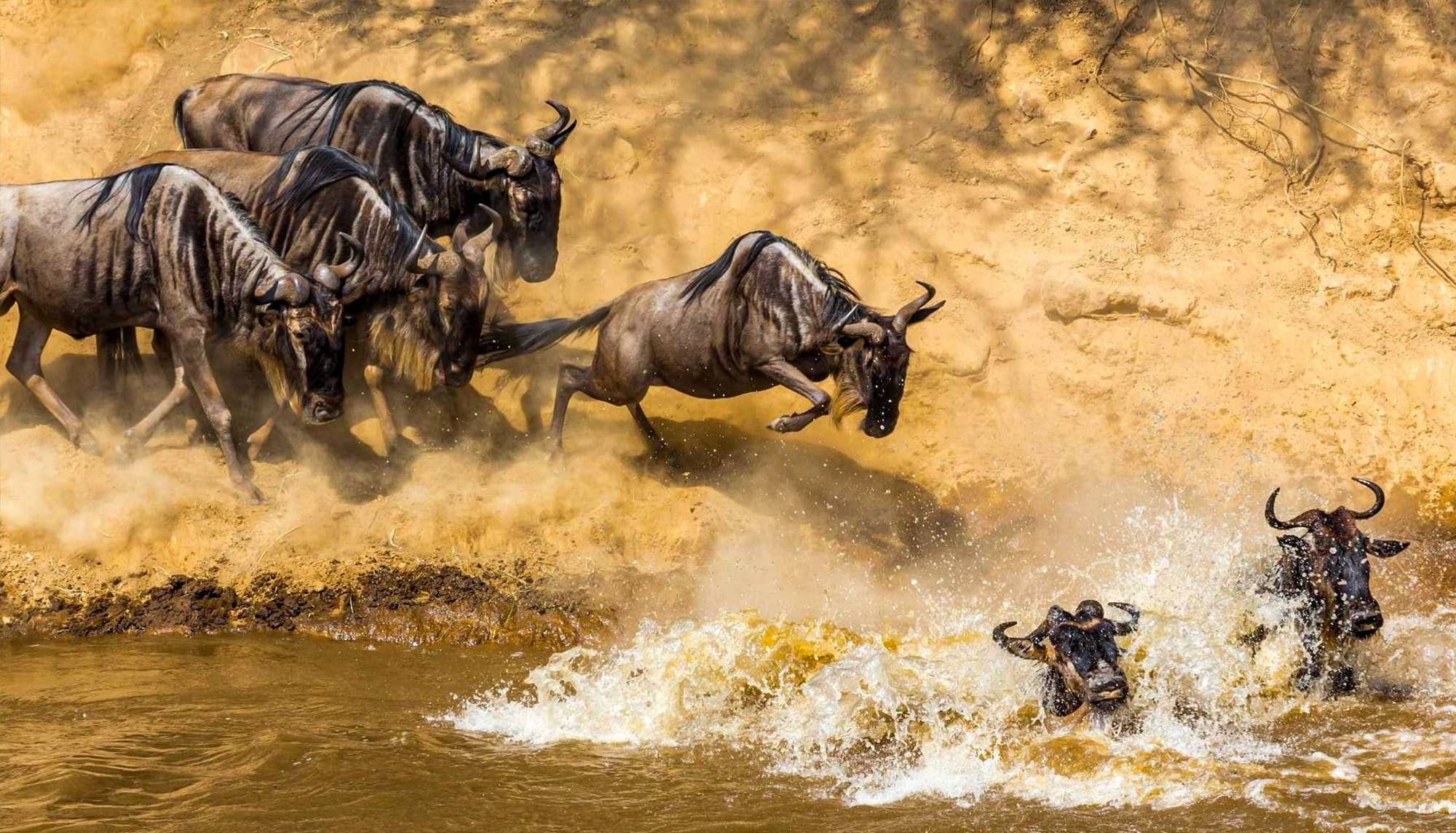
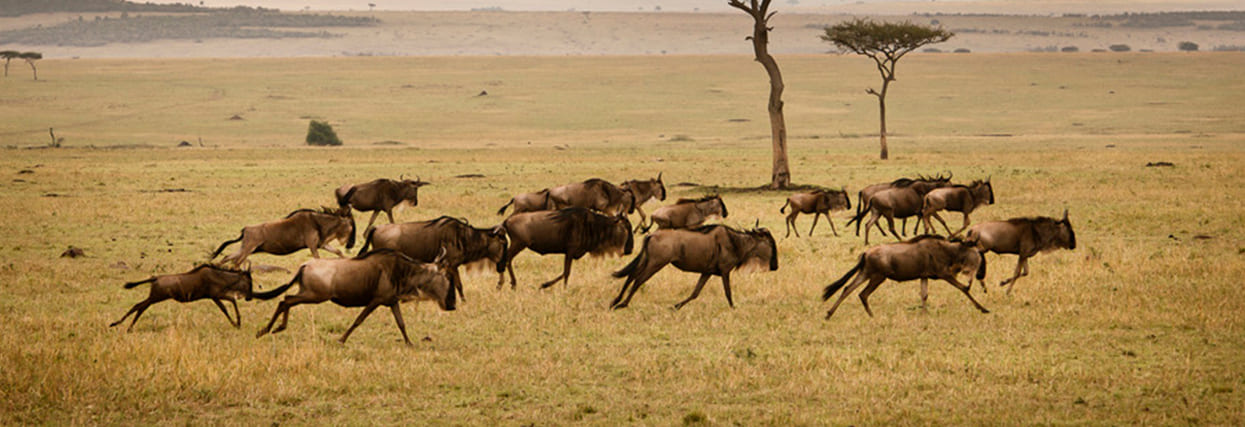
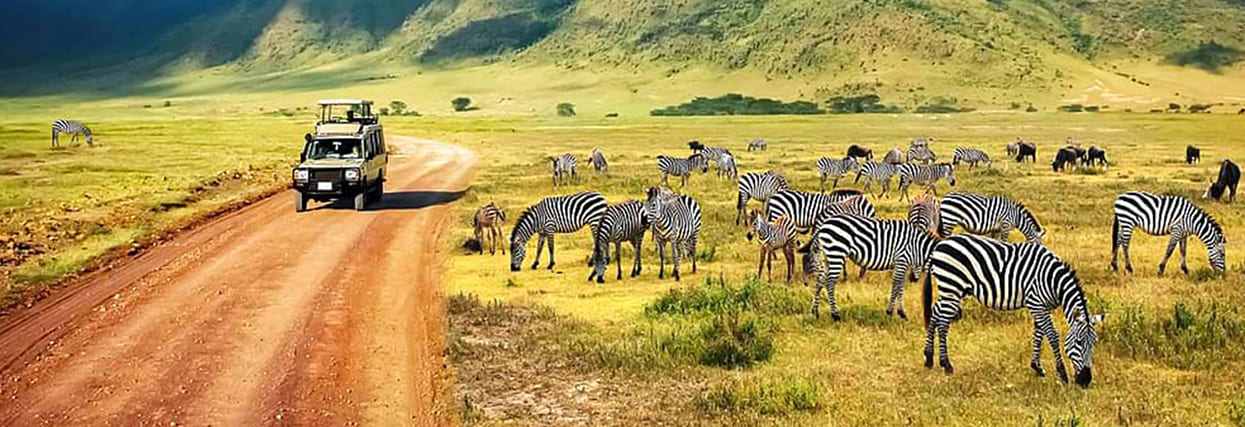
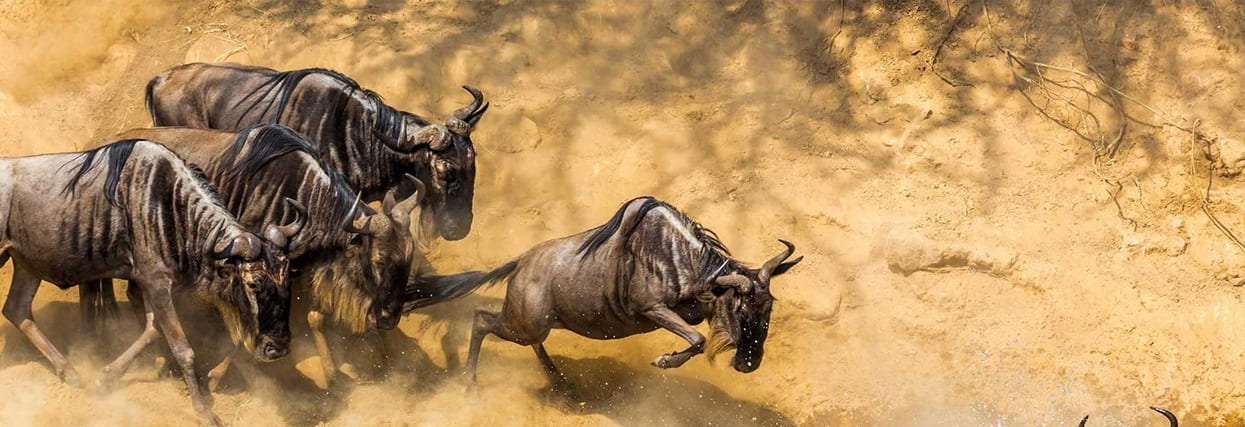
Witness one of nature’s greatest spectacles as millions of wildebeest, zebras, and gazelles move across the plains in a constant struggle for survival...
You’ve progressed one step closer to your ideal tailor-made dream trip or vacation.
Plan your Kilimanjaro climb with expert guides, the right route, and full trekking support to reach Uhuru Peak.
The Serengeti covers 14,763 sq km, is flourishing with magnificent wildlife. It lies between the shores of Lake Victoria in the west,
Lake Eyasi in the South, and the Great Rift Valley to the east. As such, it offers the most complex and least disturbed ecosystem on earth.
The park features endless rolling plains and is contiguous with Masai Mara National Park in Kenya. Serengeti is known as one of the
best wildlife sanctuary in the world and an estimated 3 million large animals roam the plains. On it its vast, treeless plains are tens of
thousands of hoofed animals, constantly on the move in search of fresh grassland.
One of the Serengeti’s main attractions is the annual migration of wildebeest herds in search for better grazing. Every October and
November, more than 1.5 millions of wildebeest and Zebras travel from the northern hills to the southern plains for the tropical rains, and
then journey west and north after the long rains in April to June.
A unique combination of diverse habitats enables it to support more than 30 species of large herbivores and nearly 500 species of birds. Its
landscape, originally formed by volcanic activity, has been sculptured by the concerted action of wind, rain and sun. It now varies from open
grass plains in the south, savannah with scattered acacia trees in the centre, hilly, wooded grassland in the north, to extensive woodland
and black clay plains to the west. Small rivers, lakes and swamps are scattered throughout. In the south-east rise the great volcanic massifs
and craters of the Ngorongoro Highlands.
Each area has its own particular atmosphere and wildlife. Kopjes which provide habitats to different
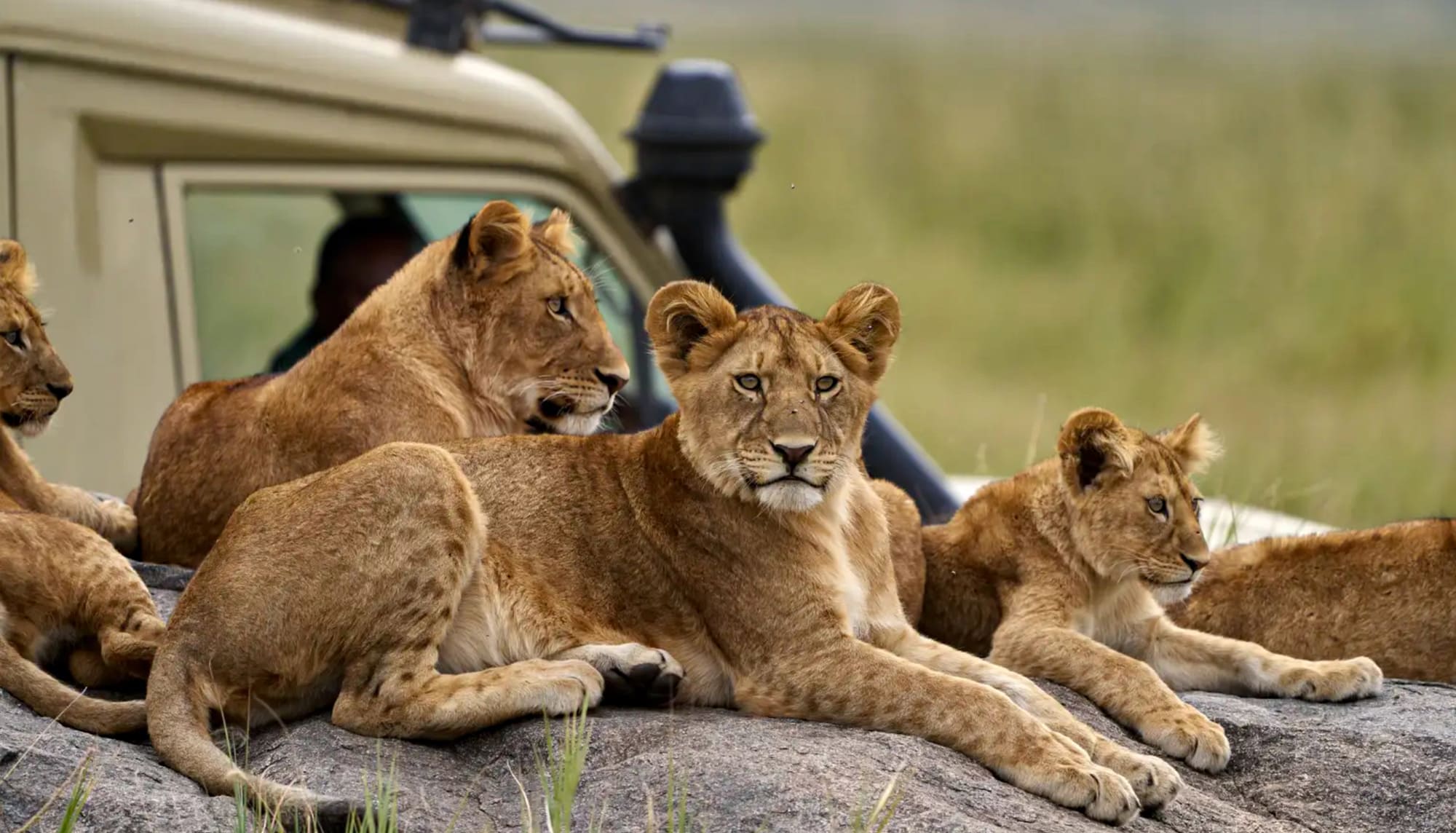
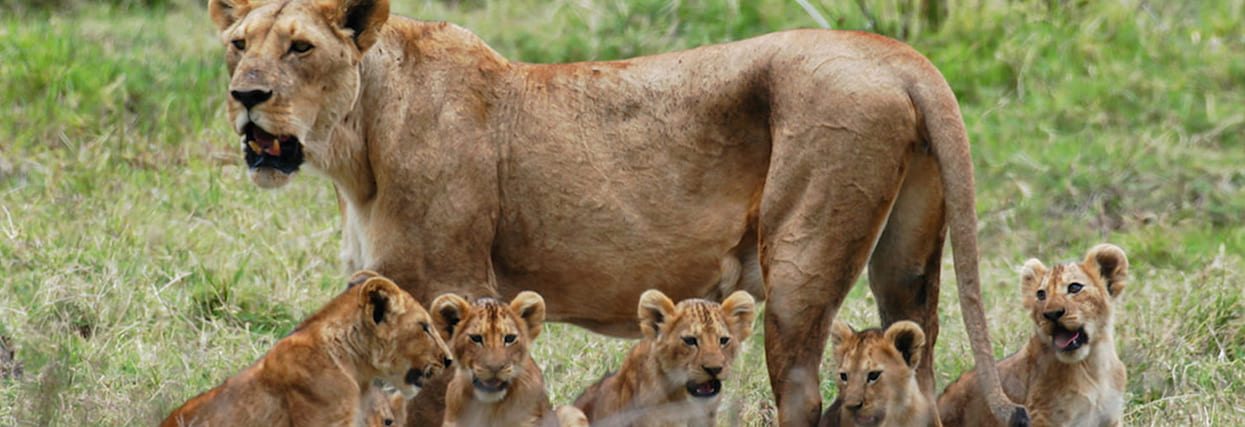
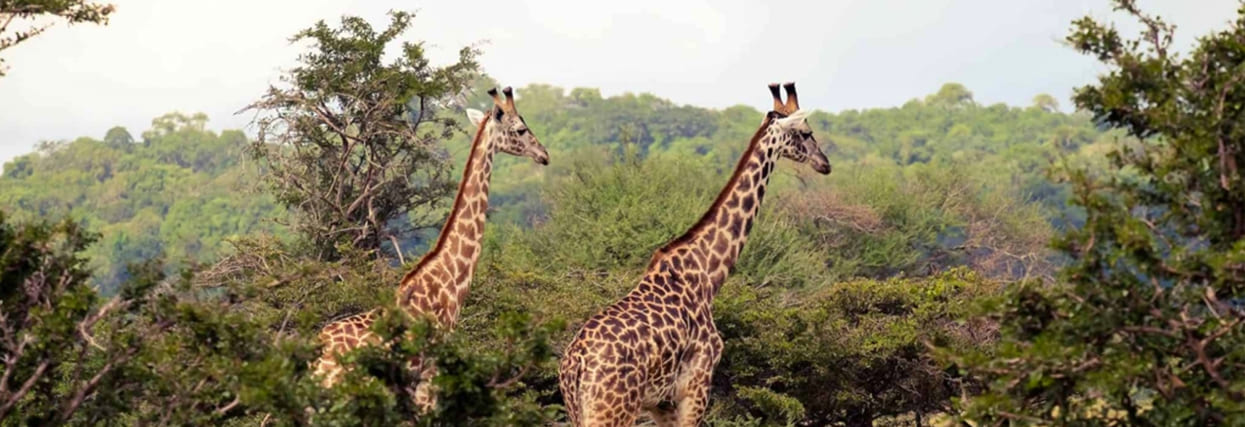
animals. The Serengeti boasts large herds of antelope including Patterson’s eland, zebra, gazelles, lion, leopard, cheetah, hyena,
impala, and large herds of giraffes. Nearly 500 species of birds have been recorded in the park. The Serengeti is an opportunity for one of
the best game viewing in Africa.
December to March the wildebeest migration congregates around Ndutu, in the far south of the Serengeti. And April to
May, the Wildebeest migration moves north into the plains of the central Serengeti. But between June and July the
wildebeest migration splits in two; one group goes west into the Western Corridor before crossing the Grumeti River, the other heads directly
to the north of the Serengeti passing near Klein’s Camp. August to October the herd has reformed, and meanders on the Kenya and Tanzania border , along the banks of the mighty Mara
River, returning south from the beginning of November.
The unpredictable nature of the exact path and timing of wildebeest migration is due to the dependance on rain. The animals' moves follow the path
of the rain in order to feed off the new grass whilst also being close to a good water supply. Standing water may be found in different areas
each year, may even be spread across different areas of the Serengeti. In the latter case, the herds may split and later regroup.
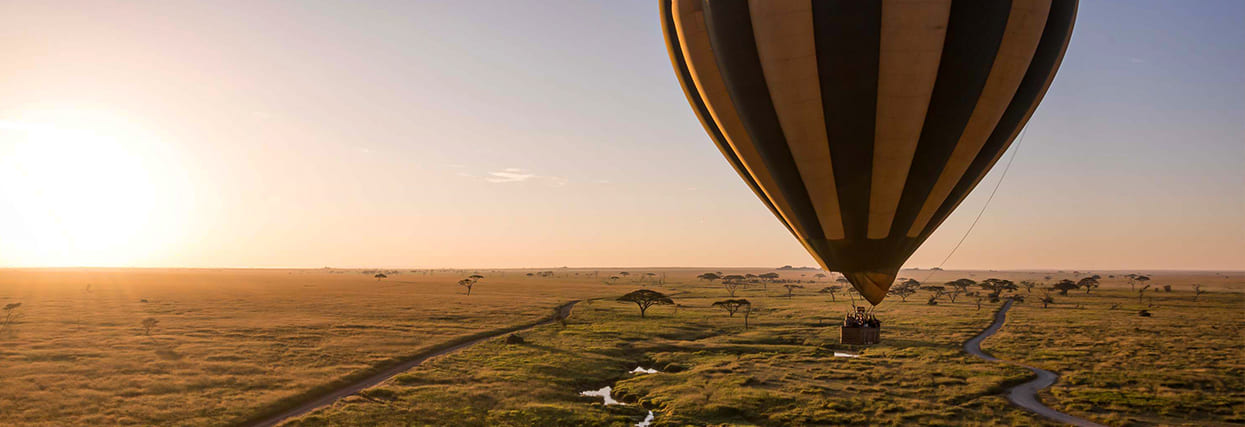
Game drives, balloon safaris (upon request), walking safaris, cultural tourism (visit a Masai village), crocodile safaris are some of the most popular options.
Lodges, Luxury tented camps, special campsites and public campsites can accommodate nearly every budget.
Ngorongoro Conservation Area (NCA) was established in 1959. It is located 156 kilometers west of Arusha. Ngorongoro and it coves an area of 8300sq/km. Ngorongoro Conservation Area (NCA) it boasts of the finest blend of mountain landscapes shaped by rifts and volcanoes, wildlife, people and archaeological sites in Africa. The concept of multiple land use in a conservation perspective is a deviation from a traditional approach (National Parks & Game Reserves) of regarding conservation as complete absenteeism of human Interference.
The NCA becomes one of the first program in the world to pioneering experiment in multiple land use for the benefits of both Maasai people
and wildlife in a natural traditional setting. NCA is often called ‘African Eden’ and the ‘Eight Wonder of the Natural
World’. Traditional African pastoralists co-operate with Tanzania’s government bodies to help preserve the natural resources of the
area and to ensure a fantastic experience for Tourists. Ngorongoro is the World Heritage Site and has also been declared an International
Biosphere Reserve by UNESCO, due to i:ts outstanding wildlife and cultural value.
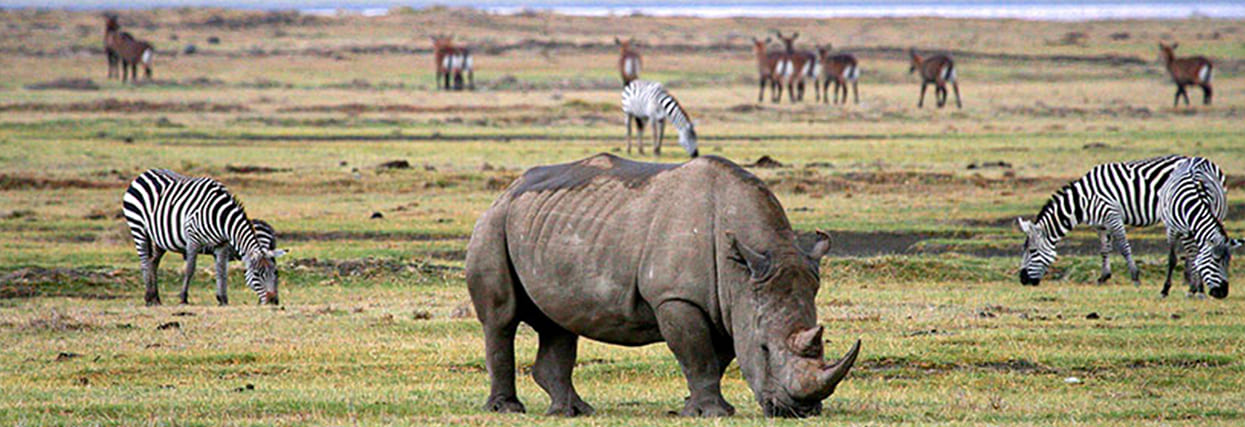
Ngorongoro is the largest unbroken caldera in the world. It is also known as collapsed volcano, this natural amphitheatre have 250 square kilometers and 23 km wide. The crater has very steep walls with an average depth of 600 meters at the altitude of 2,286 m above sea level. The crater alone has over 20,000 large animals (half of them zebra & wildebeest). This includes some of Tanzania’s last remaining black rhino. Animals are free to leave or enter the crater but most of them stay because of the abundance of water and food available in the crater floor throughout the year. One animal lacking inside the crater though is giraffe, who cannot negotiate the steep walls easily.
It was here that Dr. Louis Leakey discovered the remains of Homo habilis or “handy man” regarded by evolutionists as mankind’s first
step on the ladder of human evolution. Researchers say that humans have been part of the Ngorongoro landscape for millions of years. The earliest
sign of mankind in the conservation area is at LAETOLI, where hominid foot prints are preserved in volcanic rock dated 3,600,000 years old. The
story continues at Olduvai (Olduvai) Gorge, a river canyon cut 100 meters deep through the volcanic soils of the Serengeti plains.
Buried in the layers are the remains of animals and hominids that lived and died around a shallow lake amid grass plains and woodlands, from perhaps 2,000,000
years ago to the present. The four different kinds of hominids found there show a gradual increase in brain size and in the complexity of their
stone tools. But many more fossils have been discovered here including those of prehistoric elephants, giant horned sheep and enormous ostriches.
Visitors can learn more details of this fascinating story by visiting the gorge where guides will give on site interpretation of the gorge.
Oldupai Museum at the gorge is also very useful for information and education.
Ngorongoro Conservation Area (NCA) has a number of other stunning features. These are shifting sands, Nasera Rock, Olkarien Gorge, Empakai
Crater, Olmoti Crater, Active Oldonyo Lengai volcano, Grassland, Lake Makat, Swamps, Lerai Forest, Acacia Woodlands and Complex Forests.
North of Oldupai Gorge- a little black sand dune marches across the plains, moving 17 meters a year. Blown by a strong steady wind it somehow maintains its size and somehow maintains its size and elegant shape.
In the past few thousands of years, a succession of cattle herding people colonized this area from the north. The most numerous and recent are the Maasai who arrived about 200 years ago. Their strong insistence on their traditional custom and costume interests many visitors. Today there is over 42,000 Maasai pastoralists living in the area with their cattle, goats and sheep visitors are welcome to learn about the culture of the Maasai and buy their handcrafts only in designated bomas commonly known as “Cultural Bomas”.
Game drive, walking safaris (highlands area only, no walking safaris are permitted inside of the crater) and trekking.
Lodges, campsites, guest houses in nearby Karatu town.
Ngorongoro Conservation Area can be also visited as a day trip, although this is stretching the limits a bit. If time does not permit a more relaxed option,
this is a destination not to be missed and a day trip should be considered.

Located 120km from Arusha, Tarangire is the sixth largest park in Tanzania. This beautiful park stretches southeast of Lake Manyara around
the Tarangire River. Just a few hours drive from the town of Arusha, Tarangire is a popular stop for safaris traveling through the northern
circuit on their way to Ngorongoro and the Serengeti. It is the vast number of Baobabs trees that first capture the eye as you enter the park.
The gently rolling countryside is dotted with these majestic trees, which seem to dwarf the animals that feed beneath them.
The park owes its name to Tarangire River which flows across the area. Its banks are characterized by dense vegetation of acacia and mixed woodland.
The surrounding area however, is dominated by huge baobab trees and to a lesser prominence,old doum palm trees and black cotton grass.
Tarangire also has regions of quite dense bush, but with high grasses and huge old baobab trees instead of the green forests of Manyara. The land
is hilly and dominated by the impressive valley of the Tarangire River, which attracts good numbers of migrant animals during the dry months,
especially between July and September.
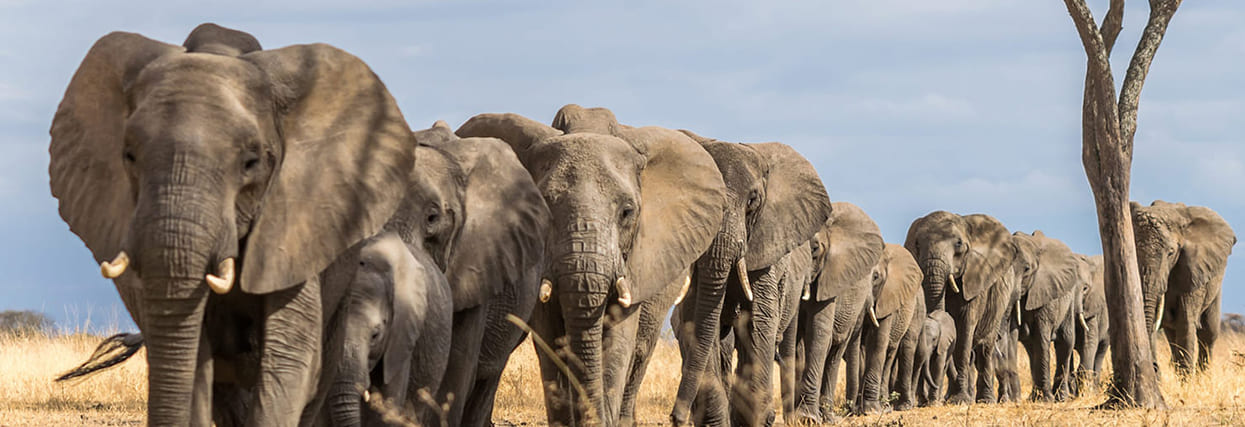
The unique aspect of this Park is the annual animal immigration that takes place during the dry season. Tarangire National Park has some of the highest population density of elephants anywhere in Tanzania, and its sparse vegetation, makes it a beautiful and special location. The park extends into two game controlled areas and the animals are allowed to move freely throughout. From the dryness of July, large herds of zebra, wildebeest, hartebeest and in particular, elephants can be found here in high densities until October when the short wet season allows them to move to new grasslands. Breathtaking views of the Masaai Steppe and the mountains to the south make a stop at Tarangire a memorable experience.
Game drives, bird watching, balloon safari and guided walking safaris:
Lodge, luxury tented camps, special and public campsites. this park may be visited as a day trip from Moshi.
Lake Manyara was once a famous hunting ground, now it is one of Tanzania's most attractive sanctuaries. Nestling into the steep Rift Valley
wall, this shallow alkaline lake is surrounded by ancient baobab trees, ground water forest of fig and mahogany and open grasslands. A wealth
of surprisingly varied vegetation sustains a wealth of wildlife, nourished by chattering streams bubbling out of the escarpment base and
waterfalls spilling over the cliff. Deep in the south of the park, hot springs bubble to the surface in the shadow of the escarpment.
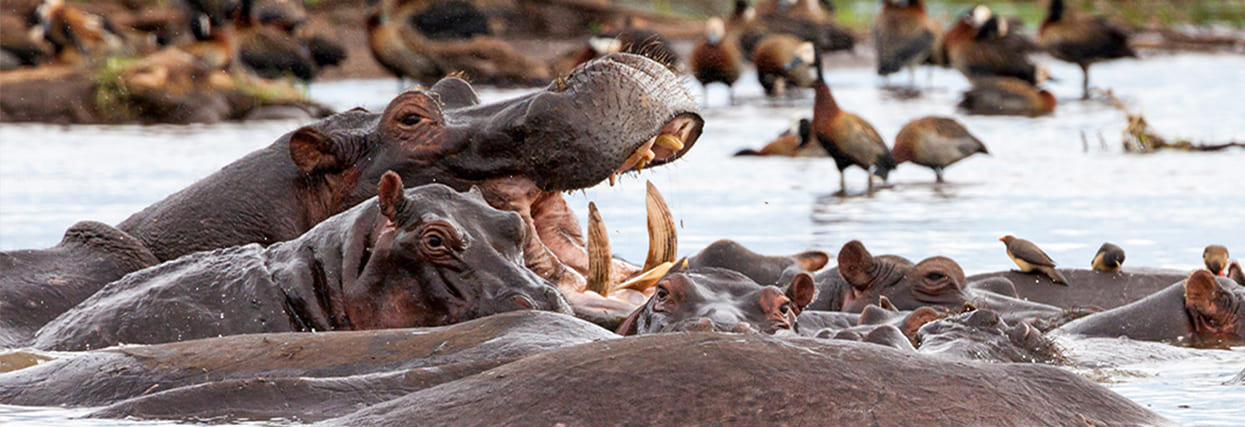
Hippo wallows near the lake's borders of sedge. Two famous spectacles in Lake Manyara National Park are the tree-climbing lions, which
spend most of the day spread out along the branches of acacia trees six to seven meters above ground, and tree climbing pythons.
Nestling at the base of the Great Rift Valley escarpment the park is noted for its incredible beauty. As visitors enter the gate they pass
into the lush forest, home to troops of baboons and blue monkeys. Further along, the forest opens up to the woodlands, grassland, swamps and
beyond, the soda lake itself, covering 390 sq km and sanctuary to over 400 species of bird including flamingo, pelican, storks, sacred ibis,
cormorants and Egyptian geese. The park is particularly noted for its huge herds of buffalos and elephants. Also represented here are giraffe,
impala, hippo and a great variety of smaller animals.
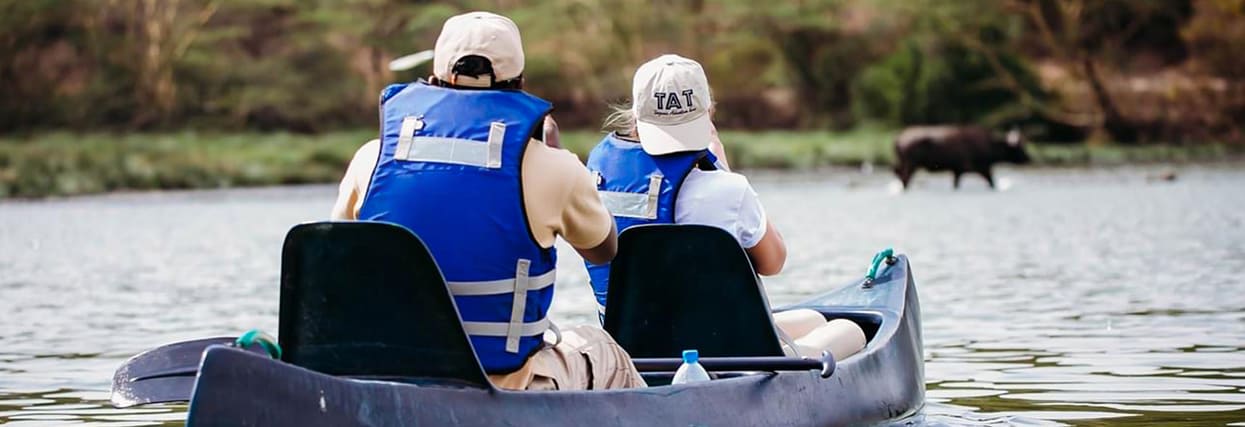
Canoeing with forest walks on the escarpment, cultural tours, bike tours, game drive and abseiling outside the park.
Lodge, campsites and hotels in Mto wa Mbu town or Karatu town. Also, this park is close enough to Moshi to be visited as a day trip.
The acrobatic black and white Colobus monkeys welcome you as you pass through Arusha's main entrance gate. From the lush green swamps surrounded by thick forest in the Ngurdoto Crater, up through the scenic beauty of the Momela Lakes, each a startlingly different hue, through to the chilly alpine like tundra on Mount Meru, Arusha National Park is a gem of a park, althoug very accessable, it is suprisingly not heavily visited by tourists. Explore the diverse and changing landscapes, hike along scenic mountain and forest trails and view huge masses of wildlife in this quaint and charming park.
There are three major attractions in the park. First is the Ngurdoto Crater, which is sometimes called "mini Ngorongoro". Secondly,
there are the Momella lakes, which are shallow alkaline lakes which get their water from underground streams. Finally, there is the spectacular
Meru Crater. Mount Meru (14,990 feet) is described as "one of the most rewarding mountains to climb in Africa". Visitors can climb the
mountain, or organize walking safaris. The park also provides great views of Mt. Kilimanjaro and Mt. Meru on clear days.
The remains of a large volcano, the Ngurdoto Crater is a steep sided bowl of lush swamps and riverine forest, which is home to elephant, buffalo,
warthog, baboon, reedbuck, Colobus monkeys and duikers. Mosses, ferns, lichens and orchids thrive in the damp atmosphere of the crater, giving
way to huge mahogany, olive and date palm trees on the drier crater walls.
The tranquil beauty of the Momela Lakes brings to the park a wide variety of birdlife (over 380 species) including flamingoes, waterfowl, African
pochard, ibis, heron, egrets, colorful turacos and trogons. The rocky crags of Mount Meru sees a large number of birds of prey and you may
be lucky enough to spot lammergeyers, a large, rare bird of prey, floating on the up draughts from the crater. Other game includes hippo, giraffe,
zebra, antelope, blue monkey, dik dik, reedbuck, klipspringers, leopard, and spotted hyena.
Game drives, walking safaris with an armed ranger (required for walking safaris), bird watching along the 7 Momella soda lakes, cultural tourism outside the park gate (visit a Massai and Meru tribes village), Ngurdoto Crater
Lodge, campsites and hotels in Arusha town. Also, this park is close enough to Moshi to be visited easily as a day trip.
Mikumi National Park This relatively small (3230 sq km) National Park lies 300 km west of Dar-es-Salaam. It is nestled between the Uruguru mountains to the East and the Rift Valley escarpments to the Southwest.
Even though this is a small park, there is a common border with the Selous Game Reserve, allowing movement of game. Therefore Mikumi benefits from a high density of animals, while still being easily accessible. Mikumi National Park is composed primarily of the Mkata River flood plain, this is surrounded by gently rolling hills covered in miombo woodland.
Although less spectacular than some of the better known Tanzanian National Parks, Mikumi still offers a good safari experience with typical flora and fauna of East Africa. There is a rich variety of bird species as well as large numbers of giraffes, buffaloes and elephants. Close to the waterholes you will find lions, leopards and hippos. Also present are zebras, wild dogs, pythons, hartebeest, wildebeest, impala, warthog, eland and other antelope. Several observation towers enable you to view the park in its entirety.
Palm trees sway in a cooling oceanic breeze. White sand and blue water sparkle alluringly beneath the tropical sun. Traditional dhows sail slowly past, propelled by billowing white sails, while Swahili fishermen cast their nets below a brilliant red sunrise.
Saadani National park occupies an area of 1,100 sq km (430 sq miles) and is only park where the beach meets the bush. Indeed, it is the only wildlife sanctuary in East Africa to boast an Indian Ocean beachfront, it possesses all the attributes that make Tanzania’s tropical coastline and islands so popular with European sun-worshippers.
Yet it is also the one place where those idle hours of sunbathing might be interrupted by an elephant strolling past, or a lion coming to drink at the nearby waterhole!
Protected as a game reserve since the 1960s, in 2002 it was expanded to cover twice its former area. The reserve suffered greatly from poaching prior to the late 1990s, but recent years have seen a marked turnaround, due to a concerted clampdown on poachers, based on integrating adjacent villages into the conservation drive.
Today, a surprisingly wide range of grazers and primates is seen on game drives and walks, among them giraffe, buffalo, warthog, common waterbuck, reedbuck, hartebeest, wildebeest, red duiker, greater kudu, eland, sable antelope, yellow baboon and vervet monkey. Herds of up to 30 elephants are encountered with increasing frequency, and several lion prides are resident, together with leopard, spotted hyena and black-backed jackal.
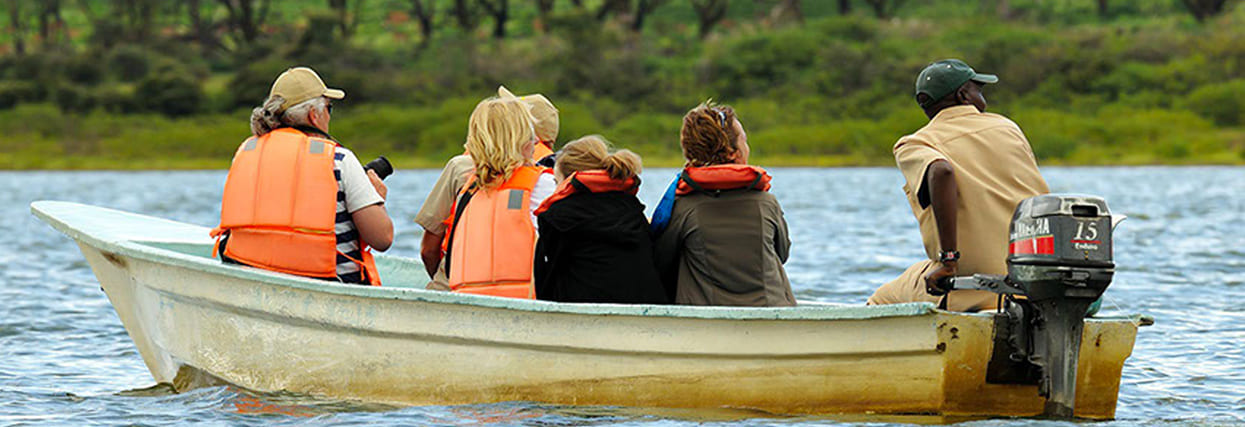
Boat trips on the mangrove-lined Wami River come with a high chance of sighting hippos, crocodiles and a selection of marine and riverine birds, including the mangrove kingfisher and lesser flamingo, while the beaches form one of the last major green turtle breeding sites on mainland Tanzania.
Palm trees sway in a cooling oceanic breeze. White sand and blue water sparkle alluringly beneath the tropical sun. Traditional dhows sail slowly past, propelled by billowing white sails, while Swahili fishermen cast their nets below a brilliant red sunrise.
Saadani National park occupies an area of 1,100 sq km (430 sq miles) and is only park where the beach meets the bush. Indeed, it is the only wildlife sanctuary in East Africa to boast an Indian Ocean beachfront, it possesses all the attributes that make Tanzania’s tropical coastline and islands so popular with European sun-worshippers.
Yet it is also the one place where those idle hours of sunbathing might be interrupted by an elephant strolling past, or a lion coming to drink at the nearby waterhole!
Protected as a game reserve since the 1960s, in 2002 it was expanded to cover twice its former area. The reserve suffered greatly from poaching prior to the late 1990s, but recent years have seen a marked turnaround, due to a concerted clampdown on poachers, based on integrating adjacent villages into the conservation drive.
Today, a surprisingly wide range of grazers and primates is seen on game drives and walks, among them giraffe, buffalo, warthog, common waterbuck, reedbuck, hartebeest, wildebeest, red duiker, greater kudu, eland, sable antelope, yellow baboon and vervet monkey. Herds of up to 30 elephants are encountered with increasing frequency, and several lion prides are resident, together with leopard, spotted hyena and black-backed jackal.
Boat trips on the mangrove-lined Wami River come with a high chance of sighting hippos, crocodiles and a selection of marine and riverine birds, including the mangrove kingfisher and lesser flamingo, while the beaches form one of the last major green turtle breeding sites on mainland Tanzania.
Although these destinations are close geographically, the safari experience is quite different in each of these locations.
Day 1: Moshi to Lake Manyara National Park
After breakfast, you will be transported to Lake Manyara. After a short rest, while you stretch your legs and the staff
removes all gear from the vehicle which is not needed for the afternoon game viewing, you will go on a game
drive in beautiful Manyara National Park. Dinner and overnight at the campsite / lodge.
Day 2: Lake Manyara to Serengeti National Park
Set out for the endless open plains and stunning skies of the Serengeti. After a scenic four hour drive to the park,
and a brief stop at your evenings camp/lodge where the staff will unpack the vehicle, you will
proceed on a game drive together with late evening game drive.
Dinner and overnight at either lodge or campsite.
Day 3: Serengeti National Park to Ngorongoro Crater.
After a relaxing morning and an early lunch, proceed with a game drive enroute to the Ngorongoro Conservation Area,
where the night will be spent on the Crater Rim at either lodge or campsite.
Day 4: Ngorongoro Crater Tour - back to Moshi.
After an early breakfast, proceed down to the crater floor for a game drive with picnic lunches.
Return to Moshi, arriving in the evening.
Notes: Popular additions to this itinerary include cultural tours of the Maasai, Hadzabe (Bushmen),
a hot air balloon safari in the Serengeti, the village of Mto wa Mbu, Lake Eyasi and/or Lake Natron, and a visit to Meserani snake park.
This itinerary is identical to the 4 days Duma Package but with an extra day spent at Serengeti National Park. Serengeti is a large park and rightfully deserves its fame. If you have the time, this is a better option to the 4 days safari.
Day 1: Moshi to Lake Manyara National Park
After breakfast, you will be transported to Lake Manyara. After a short rest, while you stretch your legs and the staff
removes all equipment and gear from the vehicle which is not needed for the afternoon game viewing, you will go on a game
drive in beautiful Manyara National Park. Dinner and overnight at the campsite / lodge.
Day 2: Lake Manyara to Serengeti National Park
Set out for the endless open plains and stunning skies of the Serengeti. A scenic four hour drive, day game drive
together with late evening game drive.
Dinner and overnight at either lodge or campsite.
Day 3: Serengeti National Park
Early morning game drive Serengeti National Park, back for a late breakfast and little relaxation, then again proceed for a day game
drive with picnic lunches.
Dinner and overnight at either lodge or campsite.
Day 4: Serengeti National Park to Ngorongoro C. A.
After a relaxing morning and an early lunch, proceed to Ngorongoro Conservation Area, where the night will be spent on the Crater Rim. Dinner and overnight at either Lodge or Campsite.
Day 5: Ngorongoro Crater tour - back to Moshi.
Early breakfast, proceed directly to the Crater floor for a crater tour with picnic lunches.
Later proceed back to Moshi, arrival in the evening.
Notes: Popular additions to this itinerary include cultural tours of the Maasai, Hadzabe (Bushmen),
early morning hot air balloon safari in the Serengeti, the village of Mto wa Mbu, Lake Eyasi and/or Lake Natron, and a visit to
Meserani snake park.
This itinerary covers many different safari destinations. You will find each of them unique and it is well worth the effort to visit them all.
Day 1: Moshi to Arusha National Park
After breakfast, you will be driven to Arusha National Park for game viewing. Lunch at Momela. After lunch continue with game viewing,
dinner and overnight in Arusha town.
Day 2: Arusha to Tarangire National Park
After breakfast, you will be driven to Tarangire National Park for game viewing. Meals and overnight at either lodge or
campsite.
Day 3: Tarangire to Lake Manyara National Park
After breakfast transfer to Lake Manyara National Park for game viewing, followed by a break for lunch. After lunch you will
continue for more game viewing. Dinner and overnight at either lodge or campsite.
Day 4: Lake Manyara to Serengeti National Park
After breakfast transfer to Serengeti National Park through the Ngorongoro Conservation Area highlands
with your lunch box and game viewing enroute. Dinner and overnight at either lodge or campsite.
Day 5: Serengeti to Ngorongoro Crater Rim
After breakfast take a half day game viewing in Serengeti park, lunch in the Serengeti,then transfer to Ngorongoro Conservation Area
with game viewing enroute. Dinner and overnight at either lodge or campsite at the crater rim.
Day 6: Ngorongoro Creater to Moshi.
After breakfast, with packed lunch descend into the crater for game viewing. In the late afternoon, drive back to your hotel in Moshi.
Day 1: Nairobi – Amboseli National Park
According to this program can depart from the airport or from your Nairobi hotel. This national park is at the foot of the snow capped Mt. Kilimanjaro, Africa’s highest mountain. Lunch at a lodge. Afternoon game drive. Dinner and overnight at a luxury lodge or budget camp where includes is F/B.
Day 2: Amboseli National Park
Today you will have a full day in this photogenic park then dinner and overnight at overnight at Amboseli sopa or kibo safari camp Amboseli National Park is one of the most popular wildlife sanctuaries in Kenya. It is situated close to Kenya. It is situated close to Kenya- Tanzania border, The park lies at the foot of Mt. Kilimanjaro, the highest mountain in Africa (5,896m) whose snow-capped summit presents a splendid view on clear days. Amboseli National Park is often referred to as “The home of elephants some of the largest elephant herds are found here. Then dinner and overnight at a luxury lodge or luxury tented includes is F/B.
Day 3: Amboseli – Lake Nakuru National Park
After your early morning breakfast leave amboseli for Nairobi and proceed to Lake Nakuru National Park, picnic lunch en-route. We recommend that you relax within the hotel and proceed for a game viewing in Lake Nakuru on Day 4 as this will give you much time in Lake Nakuru when you have more energy. This is because Lake Nakuru does not accept re-entry to the park since the accommodation is located outside the park. At your accommodation includes is F/B
Meal plan: breakfast, lunch and dinner.
Day 4: Lake Nakuru- Masai Mara.
After breakfast depart for Masai Mara – the land of vast migrating animals. Arrival will be in time for late lunch. After lunch embark on a game drive. Dinner and overnight at a luxury lodge or luxury tented camp includes is F/B.
Day 5: Masai Mara- Full day game drives
Today you will have a full day game drive in Maasai Mara you will exploring Masai Mara in search of the Big 5. Morning and afternoon game drives are offered. Optional hot air balloon safari can be arranged at an extra cost of US$ 450 per person. Dinner and overnight a luxury lodge or luxury tented camp includes is F/B.
The Mara offers wildlife in such variety and abundance that it is difficult to believe: over 450 species of animals have been recorded here. You will easily see lions, rhinos, hippos, crocodiles, giraffes, wildebeests, zebras, buffaloes, warthogs, hyenas, jackals, wild dogs, leopards, many kinds of antelopes and elephants. It is in the Mara that perhaps the most spectacular event of the natural world takes place. This is the annual migration of millions of wildebeest and zebra from the Serengeti (Tanzania) in search of water and pasture. Following on their heels are the predators of the savanna - lion, cheetah, wild dog, jackal, hyena and vultures
Day 6: Masai Mara -Nairobi
Today after breakfast then with your lunch you will start early game drives then continue to Nairobi where the safari ends you will stay in the hotel in Nairobi includes is B/B.
Day 1: Moshi to Manyara National Park
After breakfast you will be driven to Manyara National Park. After a brief rest, you will proceed on a game drive with picnic lunch. Dinner and
overnight at the lodge or campsite.
Day 2: Lake Manyara National Park to Lake Natron
After breakfast,we will drive to Lake Natron. It is a tedious journey through rough and dusty road. The Scenery there is beautiful especially the
Ngarasero escarpment, waterfalls, the gorge, Oldonyo Lengai (a still active volcano.) There are great
panoramic views and and the lake is teaming with flamingoes. Dinner and overnight at Lake Natron.
Day 3: Lake Natron Tour
Spend the day exploring Lake Natron visiting waterfalls. Lunch, dinner and overnight at Kamakia Campsite.
Day 4:Wasso village tour.
After breakfast drive to Wasso and visit Maasai bomas on your way to the Lobo area of the Serengeti. Picnic lunch will be
provided. Dinner and overnight at the lodge or campsite.
Day 5: Wasso to Serengeti National Park
After breakfast conduct game viewing in the Lobo area. Return to the camp for lunch then continue to the Seronera area of the
Serngeti with game viewing enroute. Dinner and overnight at the lodge or campsite.
Day 6: Serengeti National Park to Ngorongoro Conservation Area.
After breakfast drive to Ngorongoro via Ndutu with game viewing enroute. We will enjoy a picnic lunch along the way.
Dinner and overnight at the lodge or campsite on the crater rim.
Day 7: Ngorongoro Crater Tour
After breakfast descend 2000ft to the crater floor for crater tour with picnic lunch. In the afternoon, we depart for Moshi
where we will arrive in the evening.
Notes: Popular additions for this itinerary include Serengeti hot air balloon safari or Ol Doinyo Lengai climb.